Instagram's acquisition by Facebook illustrates how the tension between identity networks, and behavior networks will play out in the marketplace, and how it may not benefit users directly. This divide pits sites like Pinterest and Instagram vs. Facebook, Twitter, Path, and others.
Identity networks, like Facebook and Linkedin, focus on You and managing connections to pieces of identity, and while you may have have wide-ranging conversations within such networks around content, which are key to communicating your identity, the profile remains the anchor point to an identity you care about. Facebook deserves credit for making this idea popular and easy to understand - forcing Google and Microsoft to change in many ways.
Facebook's Connect and Open Graph initiatives show how crucial the concept of identity is to the Facebook model- the advertising Facebook sees in the future isn't customized by cookie pools, it's customized based on the open graph. It's not limited to Less and less of the meaning that users derive from being Facebook users will come from using Facebook.com and more and more will come from experiences enabled by the Facebook Platform. Facebook, as it extends the platform, is admitting that it cannot innovate fast enough at the edge to keep every user fully engaged - what they want is to have that user identified and authenticated, pulling their behavior into the Facebook ecosystem.
Thus, the edge of the platform, powered by identity, is where new user behaviors will emerge. These emergent groups of connections, I call Behavior Networks. They have several important properties.
- Leverage an identity network to authenticate users - e.g. social sign in
- An intentionally narrow feature set, the novelty of which self-selects new users.
- User to user value exchange is based on behaviors - e.g. who you are on Pinterest is DEFINED by what you pin.
- Nonlinear growth in user base enabled by the Identity Network.
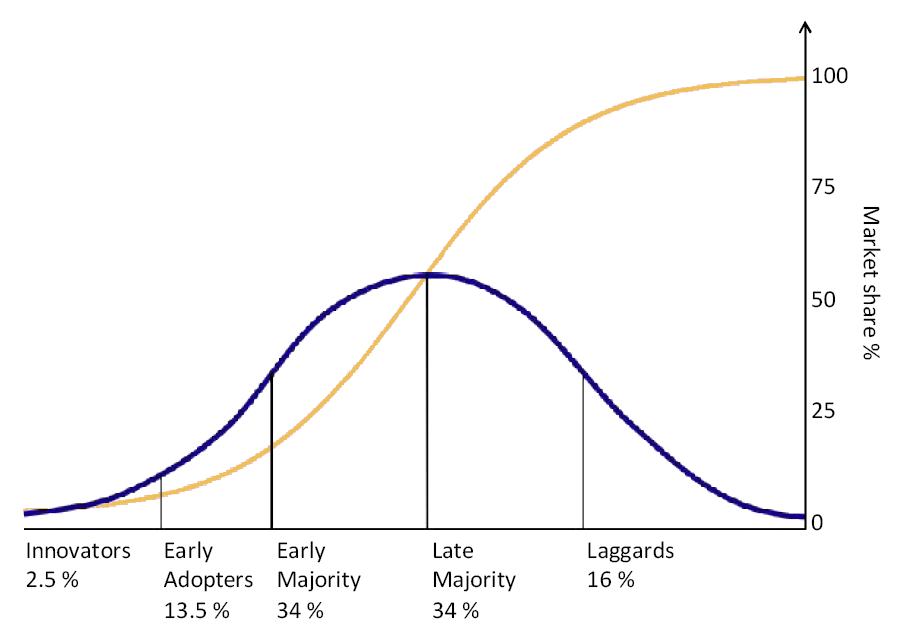
- Scale is the enemy of behavior networks, because they represent the end of novelty (2).
Behavior networks remain rooted in one style of behaving, and are key to a very specific context or action. Instagram and Pinterest are in this category. While relying to varying degrees on your identity (on Facebook, Twitter, etc) your identity on these sites defines your behavior - if you never publish anything, you don't exist. No matter how many instgram photos you take, that's all the network says about you.
Test yourself, when was the last time you deleted an Instagram photo? When was the last time you deleted a Facebook post? I've done many of those things on Facebook, but I never worry about Instgram.
The real-time web is perfect for behavior networks. All that matters is what you are doing- your behavior is your only identity but it doesn't live forever.
For these reasons, these behavior networks represent a challenge for marketers. Extending engagement beyond the behavior network - site traffic, conversions and so on - will be used to prove that the marketer's participation had some value. And this will require functionality a behavior network operator will be loathe to construct. All ROI metrics will come down to this: did the users engage further? Did they pin stuff and their friends bought it? The ROI analysis will require a channel linked to identity. So as marketers we face the dilemma of proving the value of engagement beyond behavior networks, and these are uncertain times indeed.
My next two posts on this topic will deal with:
- Path, Twitter, LinkedIn and Foursquare: Can there be more than one identity network
- How will the tension chnage the practice of marketing?