Facebook and other identity and behavior networks have created new behaviors - and these behaviors have had no trouble attracting the attention of consumers. The new behaviors have been so empowering of consumers, that as they adopt new behaviros, they have learned to tune out advertising even more effectively. Consumers have even learned to kill ads, concepts, and brand strategies they dislike en masse.
Debra Aho Williamson, principal analyst at eMarketer in Seattle, noted that when the firm published its most recent forecast for digital advertising back in February, it projected that Facebook revenue would probably double again this year to $6 billion, a number she said is likely now out of reach.
"Consumers have adopted social media a whole lot faster than advertisers," Williamson said. "It's taking them a lot longer to figure out how to fit social media into their plans. [TheStreet.com]
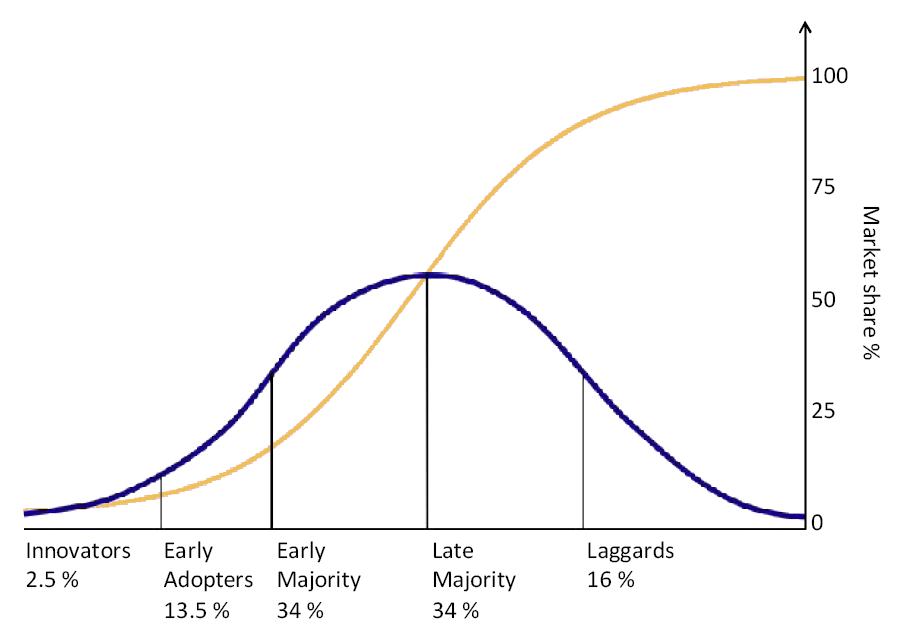
This gap in "monetization" should be viewed in the context of how all innovation takes time to conquer relevant adoption curves and settle into a business model that works for all participants. With the pace of today's change, we have cases like Groupon, where the vectors of growth point one way, while the sustainiability of the business is highly questionable. This phenomenon in the information sector is likely to continue as the flow of information between market participants becomes effortless. It is even worthy of excellent satire from McSweeney's: Ponzify
So it's not just about your 2 Million app downloads that net you some nice venture funding for "traction" in the marketplace. Make sure you're paying attention to how your users behave, as well as how their behavior change when you add "monetization" strategies.
Watch Facebook's Mobile ad product introductions carefully. If the users hate the products, and find them annoying, intrusive, or unstable, that's bad for the Facebook ecosystem and engenders the kind of hatred consumers have for companies like AT&T, in which they stay with the company but hate it because they cannot easily leave. Conversely, if the consumer ignores the ads, and skps right through them, that's bad for advertisers, who need at least some user attention to get value out of the ads. The holy grail for facebook is helping to identify the ads in the middle: the ads so content-like that consumers will see them as a net benefit.
This is small thinking strategy for Facebook, at best. Which are the two or three brands whose social engagement strategies you like as much as you do their products? Those are the ads that will be premium inventory in your newsfeed. The social experiences that consuemrs want, which are so attractive consumers will seek them out for their value, are the name of the game for Facebook, because these experiences will have to rent access to Facebook's identity network. And that is where the money will be.